Upholstery cleaning for Uxbridge Station residents: a practical guide to fresher, longer-lasting furniture
If you live near Uxbridge Station, you already know how quickly everyday life can leave a mark on soft furnishings. A sofa picks up commuter dust, a dining chair gets the odd tea spill, and a favourite armchair somehow becomes the place where everything happens. Upholstery cleaning for Uxbridge Station residents is really about keeping those pieces comfortable, hygienic, and presentable without turning your home upside down.
Done well, upholstery cleaning is not just a surface refresh. It can remove trapped dirt, reduce lingering odours, lift certain stains, and help fabrics hold their shape for longer. In this guide, we'll walk through how it works, what to expect, which methods suit different fabrics, and how to avoid the common mistakes that can make a simple clean go wrong. To be fair, upholstery is one of those things people ignore until the room starts looking tired. Then it's suddenly very obvious.
Why upholstery cleaning for Uxbridge Station residents matters
Furniture in a busy household collects far more than the eye can see. Dust settles into seams, body oils transfer into fibres, crumbs work their way below the surface, and pet hair clings in awkward little pockets. If you are near a station or main road, there may also be a bit more airborne grime drifting in. Nothing dramatic. Just enough to dull fabrics over time.
Regular upholstery care matters because upholstery behaves differently from hard surfaces. You can wipe a table clean in seconds, but a sofa or fabric dining chair absorbs what lands on it. That makes it a comfort issue, a hygiene issue, and often a money issue too. Let's face it, replacing a good sofa is expensive, while maintaining it is usually far more sensible.
There is also the everyday appearance factor. A clean sofa changes the feel of a room. The whole place looks brighter, less flat, less "we'll deal with that later." For many Uxbridge Station residents, especially in flats and smaller homes, one central piece of furniture can dominate the entire living space. Keeping it clean can make the whole room feel better without any redecorating at all.
If you're already thinking more broadly about keeping the home fresh, services like deep cleaning and domestic cleaning often sit naturally alongside upholstery care. It's all part of the same goal: reducing hidden dirt and making the home easier to live in.
How upholstery cleaning for Uxbridge Station residents works
Professional upholstery cleaning usually begins with a fabric check. That sounds obvious, but it really matters. Not every fabric can handle the same method. Cotton, wool blends, synthetics, velvet, microfibre, and leather all behave differently. A good cleaner will identify the material, spot the care label if present, and decide whether the piece should be wet-cleaned, low-moisture cleaned, or treated more delicately.
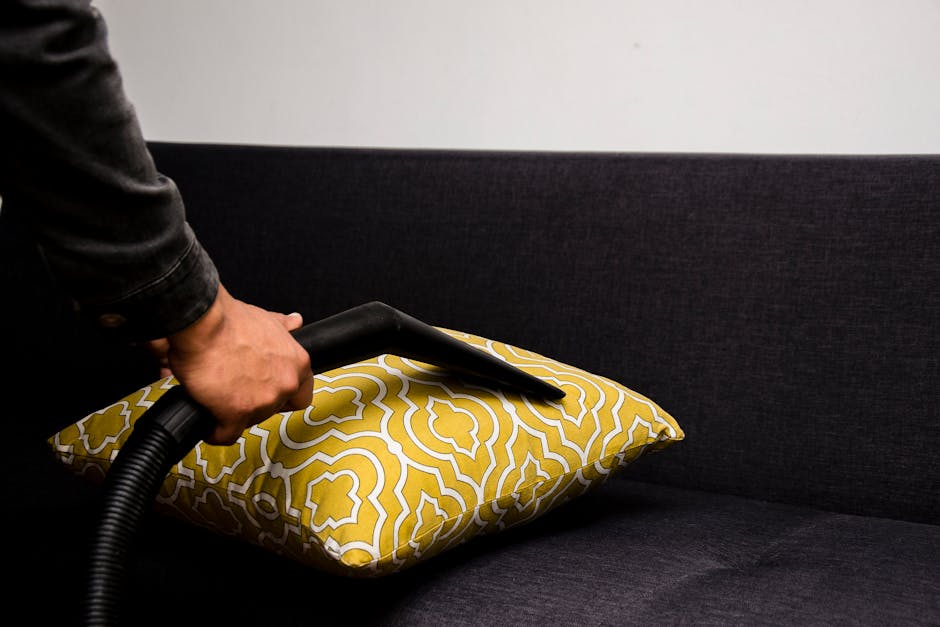
The next stage is usually dry soil removal. This means vacuuming the upholstery thoroughly, including cushions, creases, piping, and the spaces where the seat joins the arm. Removing loose dirt first makes the main clean more effective. Otherwise, you are basically asking the cleaning solution to fight through a layer of grit. Not ideal.
After that comes stain assessment and pre-treatment. Fresh spills, grease marks, drink stains, and pet accidents may need targeted products before the main clean. Some marks will lift well; others may fade but not disappear completely. Honest expectations are important here. A sensible cleaner will tell you what is realistic rather than promising miracles. Nice, rare, refreshing.
The main clean may involve hot water extraction, encapsulation, dry foam, or another fabric-appropriate method. For many common household fabrics, low-moisture or controlled moisture cleaning is preferred because it reduces drying time and helps avoid overwetting. Once the clean is complete, the fabric is groomed where appropriate so it dries evenly and looks more uniform.
If your upholstery has stubborn odours from pets or spills, it can help to pair the visit with pet stain odour removal or focused stain removal. Those services are not a magic wand, but they can improve outcomes when the issue goes beyond everyday dirt.
Key benefits and practical advantages
The benefits of upholstery cleaning are broader than many people expect. Yes, it improves appearance. But the practical gains go further.
- Better fabric appearance: colour looks more even, and dull traffic areas look less tired.
- Improved freshness: trapped odours from food, pets, and daily living are reduced.
- Longer furniture life: regular cleaning helps prevent dirt from abrading fibres.
- More comfortable living space: seating feels cleaner and more pleasant to use.
- Better first impressions: handy if you host guests, rent out a room, or simply like a tidy home.
There's a quieter benefit too: cleaning can reveal the actual condition of the furniture. Sometimes a sofa looks "beyond saving" until the built-up grime is removed and the fabric colour comes back to life. Other times, cleaning shows that the issue is not dirt but wear, sun fading, or fibre damage. Either way, you get clarity.
For households with mixed cleaning needs, upholstery care may fit alongside steam carpet cleaning or rug cleaning. That can create a more consistent finish across the whole room rather than leaving one element looking noticeably newer than everything else.
Who this is for and when it makes sense
This service is for pretty much anyone with fabric furniture, but a few groups benefit especially.
- Families with children: spills, sticky hands, and snack crumbs are part of life.
- Pet owners: fur, odours, and the occasional accident need more than a quick wipe.
- Renters: keeping furnishings clean helps with move-out expectations and general presentation.
- Home workers: if your sofa doubles as a desk chair, it will show it.
- Older homes and flats: soft furnishings can hold years of dust in surprisingly sneaky ways.
It also makes sense after events that put extra strain on the furniture. A move-in, a renovation, a house clearance, or even a long winter of closed windows can leave fabrics looking flat and feeling stale. If you are getting the place back into shape, upholstery cleaning often works best as part of a wider reset, such as move-in cleaning or move-out cleaning.
A quick reality check: if the upholstery is heavily damaged, frayed, or stained by dye transfer, cleaning may improve it but not fully restore it. That's normal. Good cleaning is about improvement and preservation, not rewriting history.
Step-by-step guidance
Here is a straightforward way to think about the process from start to finish.
- Inspect the furniture. Check the fabric type, care label, visible stains, loose stitching, and worn patches.
- Vacuum thoroughly. Remove dust, pet hair, and crumbs from all surfaces and seams.
- Test a small area. This helps confirm colour stability and checks how the fabric reacts.
- Pre-treat specific marks. Apply the right solution to obvious spills or problem areas.
- Clean with the correct method. Use the least aggressive method that still gets a proper result.
- Extract or remove moisture carefully. Overwetting can lead to long drying times and odour issues.
- Groom and dry. Shape the fibres where needed and encourage even drying with ventilation.
- Review the result. Check for any areas that need a second pass or specialist attention.
On a practical level, the biggest mistake is often rushing. A sofa can look "clean enough" while still holding moisture deeper in the foam. Then, a few hours later, there's that damp smell nobody wanted. Slow and controlled is better. Every time.
If the job is part of a broader home clean, you may also want to coordinate with house cleaning or one-off cleaning. That can help keep dust and debris from settling back onto freshly cleaned upholstery.
Expert tips for better results
After a while, you notice the same pattern. The best upholstery outcomes usually come from simple habits done properly, not dramatic tricks.
- Vacuum before stains set in. Loose grit acts like sandpaper when someone sits down.
- Treat spills quickly. Blot, don't rub. Rubbing pushes the spill deeper and can rough up fibres.
- Use fabric-specific methods. A one-size-fits-all solution is a gamble. Upholstery rarely appreciates gambling.
- Open windows where possible. Good airflow matters during drying, especially in cooler months.
- Keep cushions rotated. This spreads wear more evenly and helps prevent one side from looking flatter than the rest.
- Ask about drying time. A realistic estimate is more useful than a vague "it'll be fine soon."
One useful habit that many people skip: take a quick photo of the furniture before cleaning. If a stain has been there a while, you'll be able to judge improvement more clearly afterwards. Not glamorous, but genuinely helpful.
And if the upholstery is close to curtains, carpets, or a busy window area, a combined clean can make the whole space feel more cohesive. Services like curtain cleaning and window cleaning can be a sensible add-on when the room needs a full refresh.
Common mistakes to avoid
Most upholstery problems after cleaning are preventable. The same few missteps keep showing up.
- Using too much water: this can leave rings, slow drying, and stale smells.
- Scrubbing stains aggressively: that often damages fibres or spreads the mark wider.
- Ignoring the care label: if the fabric is marked for solvent-only or specialist care, take that seriously.
- Using random household products: some sprays leave residue or change the fabric colour.
- Forgetting about hidden areas: the back, sides, and under cushions matter just as much.
Truth be told, many DIY attempts fail because the person is trying to make the sofa look perfect in ten minutes. Upholstery does not reward impatience. A careful approach nearly always wins.
Another mistake is cleaning only the stain and ignoring the rest of the panel. That can leave a patchy result, especially on older furniture where the whole seat has darkened a little over time. Sometimes the cleaner finish comes from treating the entire section, not just the obvious mark.
Tools, resources and recommendations
You don't need a van full of equipment to keep upholstery in decent condition, but the right tools do make a difference.
| Tool or resource | What it helps with | Why it matters |
|---|---|---|
| Upholstery attachment on a vacuum | Regular dust and debris removal | Helps prevent dirt from embedding into fibres |
| Microfibre cloths | Blotting fresh spills | Gentle on fabric and better than rubbing with paper towels |
| Soft brush | Lifting nap and loosening surface dirt | Useful for textured fabrics and cushions |
| Fabric care label | Choosing the right method | Prevents avoidable damage |
| Professional upholstery cleaner | Deep cleaning and stain treatment | Best when the fabric is delicate, valuable, or heavily soiled |
If you are comparing home maintenance options, it can help to look at related services too. For example, sofa cleaning is often the most obvious match for upholstered seating, while mattress cleaning may be sensible if allergens or odours are part of the problem. Different surfaces, same basic idea: remove what has built up before it becomes harder to shift.
For trust and reassurance, it's also worth checking a provider's approach to insurance and safety and reading their health and safety policy if available. That's not overcautious. It's just sensible.
Law, compliance, standards and best practice
Upholstery cleaning is not a heavily regulated service in the way some trades are, but there are still important expectations around safety, honesty, and good practice. In the UK, a service provider should handle products responsibly, work carefully around occupants and furnishings, and give clear information about what a clean can and cannot achieve.
From a customer point of view, the main things to look for are straightforward: clear pricing, sensible communication, transparent terms, and careful handling of your property. If you're booking a professional clean, it's reasonable to expect the business to explain any limitations, drying times, or fabric risks before work starts. No mystery, no vague patter.
It is also best practice for cleaners to respect property boundaries, protect nearby surfaces, and avoid leaving upholstery damp for longer than necessary. In communal or shared settings, such as managed flats or building common areas, coordination matters too. If your home environment overlaps with shared access or hallways, a service like communal area cleaning may be relevant to the wider upkeep plan.
When comparing providers, check the company's terms and conditions and privacy policy so you know how bookings, cancellations, and personal data are handled. If pricing is unclear, the pricing and quotes page should usually help set expectations. Clear terms are not a bonus; they are the baseline.
Options, methods and comparison table
Not every upholstery job needs the same method. The best approach depends on the fabric, soil level, stain type, and how quickly you need the furniture back in use.
| Method | Best for | Advantages | Trade-offs |
|---|---|---|---|
| Hot water extraction | Many durable fabrics with deeper soiling | Can clean thoroughly and reach embedded dirt | Needs careful moisture control and drying time |
| Low-moisture cleaning | General upkeep, faster turnaround | Shorter drying time, less risk of overwetting | May not suit heavily soiled items as well |
| Dry foam or encapsulation | Selected fabric types and maintenance cleans | Useful where moisture must be limited | Not always ideal for set-in stains |
| Specialist spot treatment | Specific stains or odour issues | Targets problem areas efficiently | Success depends on stain age and fabric type |
If the issue is not a sofa but a chair, headboard, or other upholstered item, the same method logic still applies. The key is matching the technique to the fabric, rather than forcing the fabric to suit the machine. That distinction matters more than people think.
Case study or real-world example
Imagine a flat a short walk from Uxbridge Station: two adults, one child, one dog, and a pale fabric sofa that has seen a lot of life. The sofa is not ruined. It's just tired. There are light drink marks on the seat cushions, a faint dog smell after wet weather, and general dullness on the arms where hands rest every day.
The first step is a careful inspection. The cleaner checks the fabric type, notes the worn patch near the arm, and confirms which areas need extra attention. Next, the sofa is vacuumed thoroughly, including beneath the cushions and along the piping. Then a pre-treatment is applied to the drink marks and the odour-prone areas.
After the main clean, the colour looks brighter and the odour is noticeably reduced. Not perfect, because the fabric has years of wear in it, but clearly improved. The family can sit back down later that day once the fabric is dry enough. The room feels cleaner too, which is usually the bit people notice first. Funny how that works.
That sort of outcome is typical when the furniture is cared for before the grime becomes deeply ingrained. If the same sofa had been left for another year, the result would likely be less dramatic. Upholstery cleaning works best when you stay a step ahead of the buildup, not three steps behind it.
Practical checklist
Use this quick checklist before booking or doing your own upholstery clean.
- Identify the furniture type and fabric care label.
- Vacuum the item thoroughly, including edges and seams.
- Note any stains, odours, worn areas, or loose stitching.
- Decide whether the fabric needs gentle, low-moisture, or deeper cleaning.
- Check drying conditions in the room before cleaning starts.
- Ask about stain expectations and what may remain visible.
- Review the provider's safety, insurance, and terms information.
- Plan for cushions or seating to be out of use while drying.
- Rotate cushions and keep airflow moving afterwards.
- Schedule repeat cleaning before the furniture gets heavily soiled again.
Small checklist, big difference. It prevents that awkward moment when the sofa is clean but the room is too damp to use for half the evening.
Conclusion
Upholstery cleaning for Uxbridge Station residents is one of those services that quietly improves daily life. It makes rooms feel fresher, helps furniture last longer, and cuts down on the hidden buildup that most of us only notice once it has become obvious. Whether you're caring for a family sofa, a favourite chair, or several pieces across a busy home, the same principle applies: regular, fabric-appropriate cleaning is better than waiting for a problem to become difficult.
If you're deciding what to do next, start with the fabric type, the level of soiling, and how soon you need the furniture back in use. From there, it becomes much easier to choose the right approach. And honestly, that's usually the whole job in a nutshell. Simple enough, once you know what you're looking at.
Get a free quote today and see how much you can save.
When the furniture feels fresh again, the whole home tends to follow. It's a small improvement on paper, but in daily life, it can make a room feel far more like home.
Frequently Asked Questions
How often should upholstery be cleaned in a busy home?
For a busy household, a proper upholstery clean is often worth considering every 6 to 12 months, depending on use, pets, and how much the furniture is exposed to spills or dust. High-use items may need attention more often.
Can upholstery cleaning remove old stains?
Sometimes, yes, but not always completely. The age of the stain, the fabric type, and what caused the mark all affect the outcome. Fresh stains are usually more responsive than old ones.
How long does upholstery take to dry?
Drying time varies by fabric, method, ventilation, and room temperature. Low-moisture methods usually dry faster, while deeper wet cleaning can take longer. Good airflow makes a real difference.
Is upholstery cleaning safe for delicate fabrics?
It can be, provided the correct method is used. Delicate fabrics need a cautious approach and sometimes specialist treatment. That's why testing a small area first is so important.
Will cleaning damage the colour of my sofa?
It should not, if the fabric is suitable for the method used and the cleaner follows proper procedure. Still, some fabrics are prone to colour bleed or fading, so a pre-test matters.
What is the difference between sofa cleaning and upholstery cleaning?
Sofa cleaning focuses specifically on sofas and settees. Upholstery cleaning is broader and includes chairs, benches, headboards, and other fabric-covered furniture. The process overlaps a lot, but the scope is wider.
Can upholstery cleaning help with pet smells?
Yes, often it can reduce pet odours significantly, especially when paired with targeted treatment. Very strong or old odours may need specialist attention, and results can depend on how far the smell has penetrated.
Do I need to move furniture before a clean?
Usually only enough to allow access around and beneath the item. Many cleaners can work around the furniture already in place, but they may ask you to clear cushions, small items, or fragile objects nearby.
Is professional cleaning better than DIY cleaning?
For general maintenance, DIY vacuuming and quick spill treatment are useful. For deep dirt, odours, or delicate fabrics, professional cleaning is usually safer and more effective. The risk with DIY is often overwetting or using the wrong product.
Can upholstery cleaning be combined with other services?
Yes, often it makes sense to combine it with related services such as carpet cleaning, rug cleaning, or one-off cleaning. That can save time and give the room a more complete refresh.
What should I ask before booking an upholstery cleaner?
Ask about fabric suitability, drying times, stain expectations, insurance, and pricing. It's also sensible to ask whether the cleaner has a clear approach to safety and whether they can explain the method in plain English. If they can't, that's not a great sign.
How do I keep upholstery cleaner for longer after the service?
Vacuum regularly, blot spills quickly, rotate cushions, and avoid eating or drinking on delicate pieces if you can help it. A little care goes a long way. And yes, the odd biscuit on the sofa still happens, because real life.